
B vitamins, appetite and energy: why it’s hard to lose weight without them
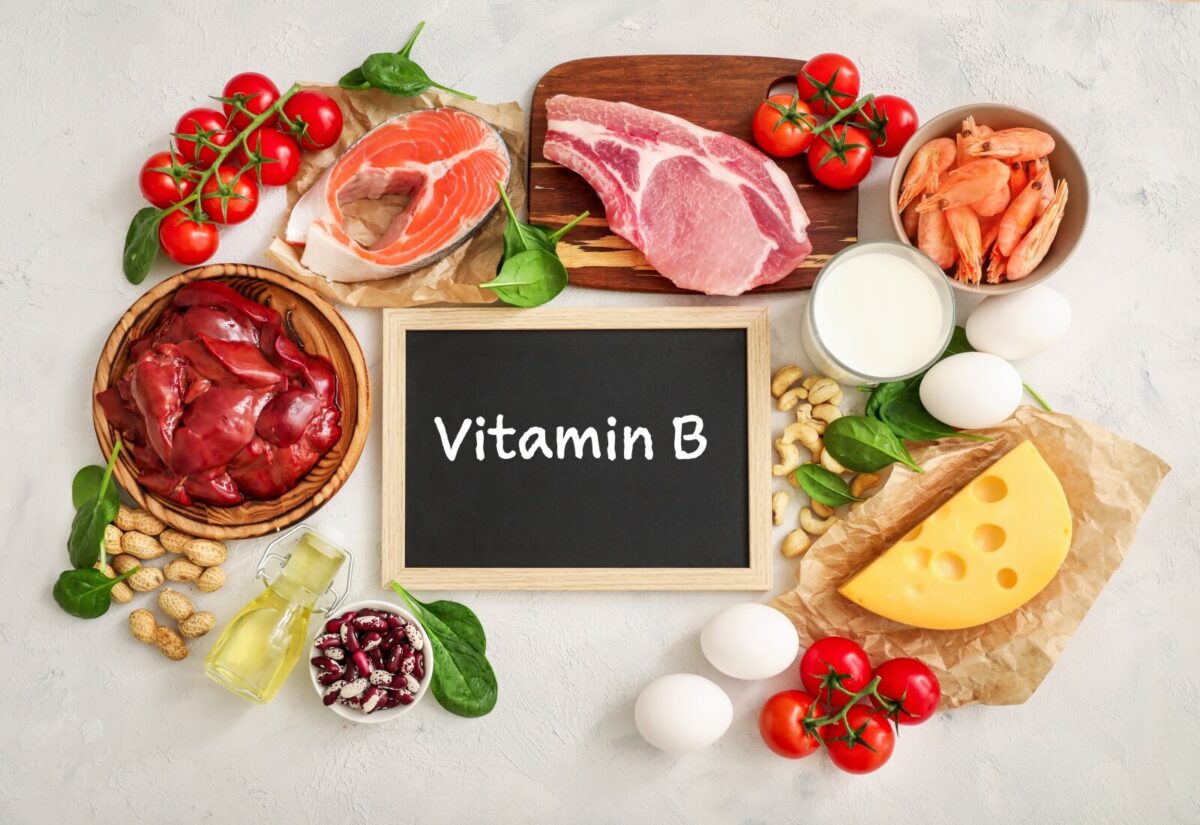
When a person reduces their calorie intake, the body inevitably experiences stress. If there is a shortage of B vitamins during this period, it can lead to lethargy, irritability and strong cravings for fast-acting carbohydrates. This is precisely why B vitamins are considered essential for weight loss, and ensuring an adequate intake is absolutely vital for successful weight management.
These vitamins play a role in the breakdown of proteins, fats and carbohydrates. Without them, food is not properly converted into energy, causing the body to conserve resources and slowing down the metabolism. High-quality vitamins that boost the metabolism always contain several B vitamins, as they work as a team and help each other to do their job.
It is also important not to overlook fat-soluble vitamins. For example, vitamin A is important for weight loss as it supports the health of the mucous membranes and hormonal balance, and also plays a role in regulating metabolic processes. When combined with the B-complex, it boosts overall metabolic resilience.
A comprehensive approach has proven to be highly effective. It involves the use of formulas that combine vitamins and minerals for weight loss into a single supplement. These often contain iron, to maintain the smooth transport of oxygen to all the cells in our body, magnesium, which is involved in energy synthesis, and zinc — a mineral that influences appetite hormones. In the absence of these elements, the body tires more quickly and requires additional ‘fast’ fuel, i.e. sugar and other simple carbohydrates.
During training, the body’s need for micronutrients increases. In such cases, you should take sports vitamins for weight loss. These are specially formulated to support muscle recovery and maintain energy balance. This is particularly important during strength training, when the aim is to preserve muscle mass and reduce body fat.
Taking additional antioxidants also plays an important role. For example, vitamin C aids weight loss by helping to manage the stress associated with a calorie deficit and plays a part in the synthesis of carnitine—a substance required to transport fatty acids into the mitochondria, where they are converted into energy.
Vitamin D deserves special attention, as a deficiency in this vitamin often goes unnoticed. However, a lack of vitamin D is directly linked to impaired insulin sensitivity and elevated levels of leptin—a hormone that regulates the feeling of fullness. People with low vitamin D levels are more likely to experience uncontrollable appetite and find it harder to resist cravings for high-calorie foods. Therefore, including this nutrient in a weight-loss programme can significantly ease the process and make it more predictable.
It is also important to take into account individual physiological factors. The rate at which micronutrients are absorbed depends on the condition of the gastrointestinal tract, any chronic conditions, and dietary habits. This is precisely why it is recommended to undergo basic tests and consult a specialist before starting any supplement regimen. Properly selected nutritional support transforms weight loss from an exhausting battle against oneself into a conscious and physiologically sound process.
If you view weight-loss vitamins as a means of restoring balance rather than a quick fix, the weight-loss process will be more sustainable and effective. The body receives the nutrients it needs to function properly, your appetite stabilises, and your energy levels stop fluctuating.
In this case, weight loss occurs without drastic fluctuations or exhaustion — thanks to the fact that your metabolism starts to function flawlessly, just like a legendary Swiss watch.


