
How to lose excess fat through diet: simple and effective solutions for achieving a lean physique
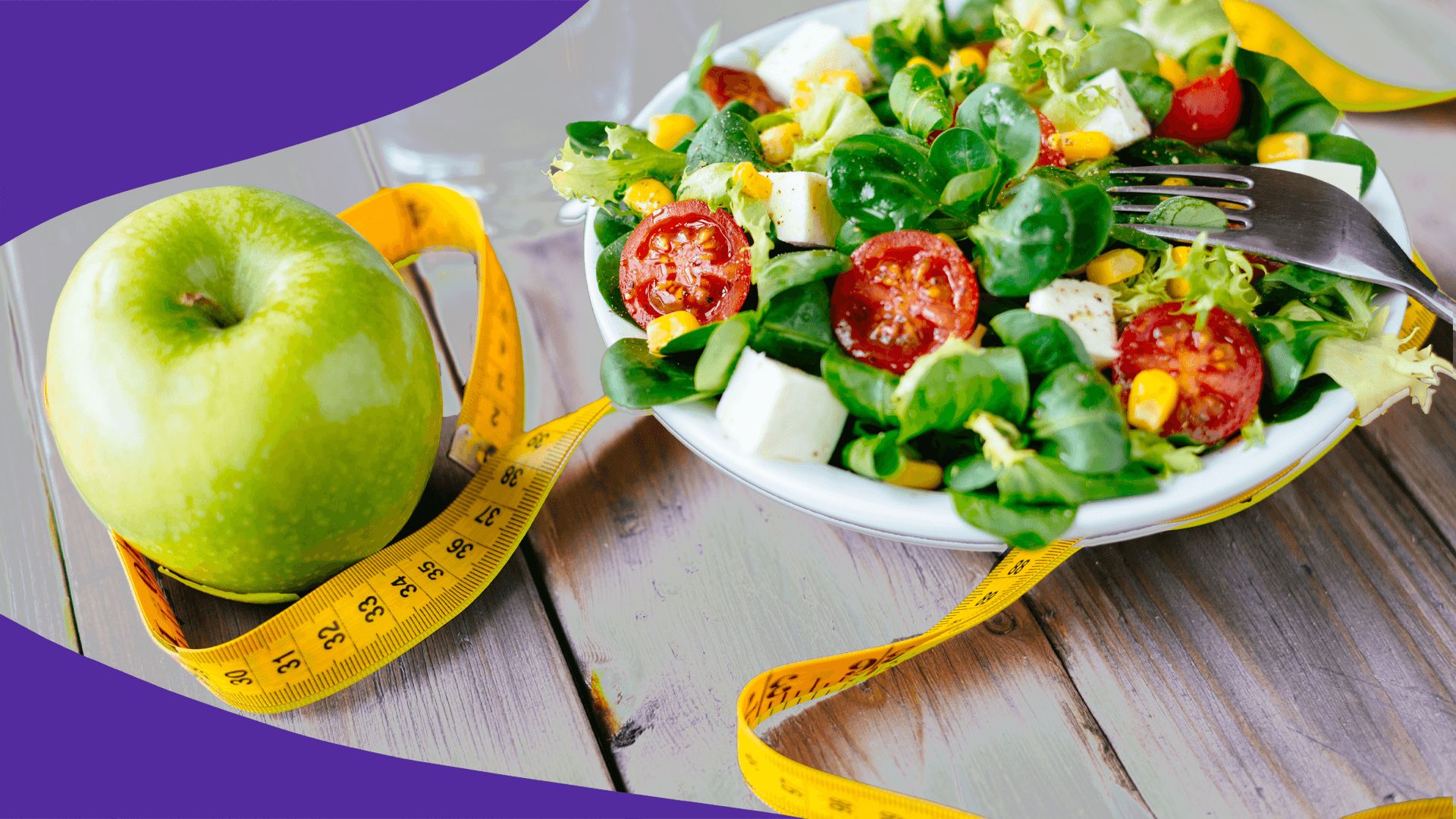
Best Foods and Supplements for Healthy Weight Loss and Fat Burning
Many people who train regularly and want to see more muscle definition eventually understand one important truth: nutrition plays the key role in reducing body fat. Workouts build strength and muscle, but a balanced diet helps reveal the results by reducing the fat layer that hides them.
When people think about weight loss, they often imagine strict diets, extreme calorie restriction, or skipping meals. In reality, this approach can be ineffective and even harmful in the long term. Healthy fat loss does not come from starvation. It comes from a smart nutrition plan, enough protein, the right balance of nutrients, proper hydration, quality sleep, and, when needed, carefully selected vitamins and supplements.
In this article, we will explain how to lose excess fat through food, which products support metabolism, what to eat in the evening, and which weight loss supplements may actually be useful.
What Happens to Body Fat When You Change Your Diet?
Body fat is stored energy. The body starts using this energy when it receives fewer calories than it burns. This principle sounds simple, but the process is more complex than just “eat less.”
If you cut calories too aggressively, your body may begin to break down muscle tissue, slow down metabolism, reduce energy levels, and affect hormone balance. As a result, the number on the scale may go down, but you may also lose strength, muscle tone, and overall well-being.
That is why choosing the right foods for weight loss is not only about eating fewer calories. It is about creating a balanced diet that supports fat loss while helping preserve muscle mass, energy, and health.
A safe calorie deficit is usually around 10–20% below your daily maintenance needs. This allows the body to lose fat gradually while maintaining performance and muscle mass.
Protein: The Foundation of Fat Loss and Muscle Support
Protein should be one of the main elements of any weight loss diet. During a calorie deficit, protein helps protect muscle tissue, supports recovery after training, and increases satiety.
For people who train regularly, protein intake during fat loss may be around 2.2–3 g per kilogram of body weight, depending on activity level, goals, and individual needs. For example, a person weighing 70 kg may need approximately 155–210 g of protein per day.
Good protein-rich foods for fat loss include:
- Chicken breast and turkey
- Low-fat cottage cheese
- Unsweetened Greek yogurt
- Egg whites and whole eggs
- Lean fish such as cod, hake, pollock, and tuna
- Legumes such as lentils, chickpeas, and beans
- Tofu and other plant-based protein sources
Protein supplements can also be useful for people who struggle to reach their daily protein intake through food alone. Whey protein, plant-based protein powder, or ready-to-drink protein shakes are convenient options after training, at work, while traveling, or during a busy day.
Protein powder is not a magic weight loss product, but it can be a practical tool in a healthy nutrition plan. It helps support muscle maintenance, recovery, and appetite control.
Foods That May Support Fat Burning
No food can burn fat on its own. However, some foods can support a healthy weight loss process by increasing satiety, supporting metabolism, helping control appetite, or making it easier to stay in a calorie deficit.
Useful foods for fat loss include:
Green Tea and Coffee
Green tea contains catechins, and coffee contains caffeine. These compounds may support energy expenditure and help improve focus during workouts. Many weight management teas also include ingredients such as matcha, guarana, fennel, or garcinia cambogia. These products should not be seen as miracle solutions, but they may support a balanced diet and active lifestyle.
Chili and Cayenne Pepper
Hot peppers contain capsaicin, which may support thermogenesis — the process of heat production in the body. This can slightly increase calorie expenditure and may help with appetite control.
Eggs
Eggs are rich in high-quality protein and important nutrients. A breakfast with eggs can help you feel full for longer and reduce unnecessary snacking during the day.
Fatty Fish
Salmon, mackerel, sardines, and other fatty fish contain omega-3 fatty acids. Omega-3 supports heart health, helps reduce inflammation, and may support healthy metabolism. For people who do not eat fish regularly, omega-3 supplements can be a convenient alternative.
Avocado
Avocado contains healthy monounsaturated fats and fiber. It is calorie-dense, so portions matter, but it can help keep meals satisfying and nutritionally balanced.
Berries
Blueberries, raspberries, strawberries, and other berries are rich in fiber and antioxidants while being relatively low in sugar. They are a great option for snacks, smoothies, yogurt bowls, or healthy desserts.
Whole Grains
Oats, buckwheat, brown rice, and other whole grains provide slow-digesting carbohydrates. They help maintain energy levels, reduce sharp blood sugar fluctuations, and support appetite control.
Foods and Nutrients That Support Metabolism
A slow metabolism is one of the common reasons people struggle with weight loss. While no single food can completely “speed up” metabolism, certain foods and nutrients can support normal metabolic function.
Ginger
Ginger may support digestion and help reduce inflammation. It can be added to tea, smoothies, soups, or main dishes.
Cinnamon
Cinnamon can help make meals taste sweeter without adding sugar. It is often used in oatmeal, yogurt, coffee, and smoothies.
Water
Hydration is essential for metabolism, digestion, and physical performance. Even mild dehydration can reduce energy and make workouts feel harder. Many adults need around 2–2.5 liters of water per day, but individual needs depend on activity level, climate, body size, and diet.
Fermented Foods
Kefir, natural yogurt, sauerkraut, and other fermented foods support gut microbiota. A healthy gut can play a role in appetite regulation, digestion, and overall wellness.
How to Build a Healthy Weight Loss Diet
Many people look for a perfect weight loss food list or a ready-made fat burning meal plan. In practice, the best diet is flexible, realistic, and built around your daily routine.
A balanced weight loss diet usually includes:
- Protein: chicken, fish, eggs, cottage cheese, legumes, tofu, or protein supplements if needed.
- Complex carbohydrates: oats, buckwheat, rice, potatoes in moderate amounts, whole grain bread, and vegetables.
- Healthy fats: fatty fish, nuts, avocado, olive oil, flaxseed oil, and other cold-pressed vegetable oils.
- Fiber: fresh or cooked vegetables, greens, berries, bran, legumes, and whole grains.
This combination is a simple and effective foundation for natural weight management. Foods for weight loss do not have to be expensive. Eggs, oats, cottage cheese, frozen fish, seasonal vegetables, and legumes can provide excellent nutrition at a reasonable price.
What to Eat at Night for Weight Loss
Many people wonder whether there are special foods for weight loss at night. The truth is that total daily calorie balance matters more than the exact time of eating. However, late meals should be lighter and easier to digest.
A good evening meal during fat loss should include lean protein and vegetables. It is better to avoid large portions of fast carbohydrates, fried foods, and very heavy meals before sleep.
Good evening options include:
- Low-fat cottage cheese with herbs or berries
- Baked or boiled fish with vegetables
- Egg white omelet with broccoli and spinach
- Unsweetened Greek yogurt with berries
If you train late in the evening, you may add a small portion of complex carbohydrates after your workout, such as rice or buckwheat. This can support recovery without harming your weight loss progress.
Fast Weight Loss Foods: Reality or Marketing?
The phrase “fast weight loss” is often used in marketing, but real fat loss takes time. No single product can remove belly fat in one week. Celery, detox juices, superfoods, and trendy fat burners cannot replace a calorie deficit and balanced nutrition.
A realistic fat loss rate is usually around 0.5–1 kg per week, depending on starting weight, lifestyle, training, and calorie intake.
Effective weight loss foods are not magic. They simply help you control appetite, stay full for longer, and maintain a calorie deficit more comfortably. These are usually foods high in protein, fiber, and essential nutrients.
Weight Control: How to Stay on Track
Healthy weight control is not about obsessive daily weighing. It is about understanding what is happening with your body and making adjustments when needed.
Here are practical ways to track progress:
- Weigh yourself once a week, in the morning, before eating.
- Measure your waist, hips, and chest regularly.
- Take progress photos every two weeks.
- Keep a food diary for the first 4–6 weeks.
- Track protein, fats, carbohydrates, and calories using an app if helpful.
Sleep is also essential for weight loss. Lack of sleep can increase appetite, raise stress hormones, reduce motivation, and make fat loss harder. Aim for 7–9 hours of quality sleep per night whenever possible.
Simple Weight Loss Meal Ideas
Healthy recipes for weight loss do not have to be complicated. Here are three easy meal ideas for everyday use.
Breakfast: Oatmeal with Eggs and Berries
Cook 50 g of oats in water, add a handful of fresh or frozen berries, and serve with two boiled eggs. This meal is simple, filling, and balanced.
Lunch: Buckwheat with Chicken Breast and Vegetables
Cook 80 g of buckwheat and bake 150 g of chicken breast with paprika and garlic. Add cucumber, tomato, and fresh herbs for extra fiber and nutrients.
Dinner: Cottage Cheese with Herbs
Mix 200 g of low-fat cottage cheese with chopped dill, a pinch of salt, and black pepper. Serve with tomato slices or fresh vegetables.
Foods to Limit During Weight Loss
Some foods can make fat loss more difficult because they are high in calories, low in nutrients, or easy to overeat. During an active weight loss phase, it is better to limit:
- Sweets and pastries
- Sugary drinks and fruit juices
- Fried foods
- Processed meats and ready-made meals
- Alcohol
- Highly processed snacks
These foods do not have to be banned forever. However, reducing them during a fat loss phase can make it easier to control calories, reduce cravings, and improve results.
Weight Loss Supplements: What Actually Works?
The market for weight loss products is full of promises: fat burning drinks, detox programs, tablets, powders, patches, and miracle formulas. Many of these products have little evidence behind them.
However, some supplements can be useful as part of a healthy diet and training routine:
- Protein powder: helps reach daily protein goals and supports muscle maintenance.
- Omega-3: supports heart health, metabolism, and normal inflammatory response.
- Magnesium: supports muscle function, recovery, and nervous system health.
- Zinc: supports immune function, metabolism, and recovery.
- Vitamin D: especially important during winter or when sun exposure is limited.
Vitamins and supplements should not replace a healthy diet. They are best used to support nutrition, fill possible gaps, and make a balanced lifestyle easier to maintain. If you have health conditions, take medication, or are unsure which supplement is right for you, consult a healthcare professional before use.
Conclusion: Fat Loss Starts with Nutrition
Losing excess body fat through nutrition is realistic and achievable. It does not require extreme diets, expensive detox products, or complicated fat burning programs. The foundation is simple: enough protein, plenty of fiber, a moderate calorie deficit, water, sleep, regular movement, and a consistent routine.
Start with small changes. Add protein to every meal, reduce sugary drinks and pastries, include more vegetables, and support your body with essential nutrients. After a few weeks, you may notice better energy, improved body composition, and more visible muscle definition.
Muscles are built in the gym, but definition is made in the kitchen. Smart nutrition, healthy habits, and the right supplements can help you move toward your weight loss goals safely and effectively.


